
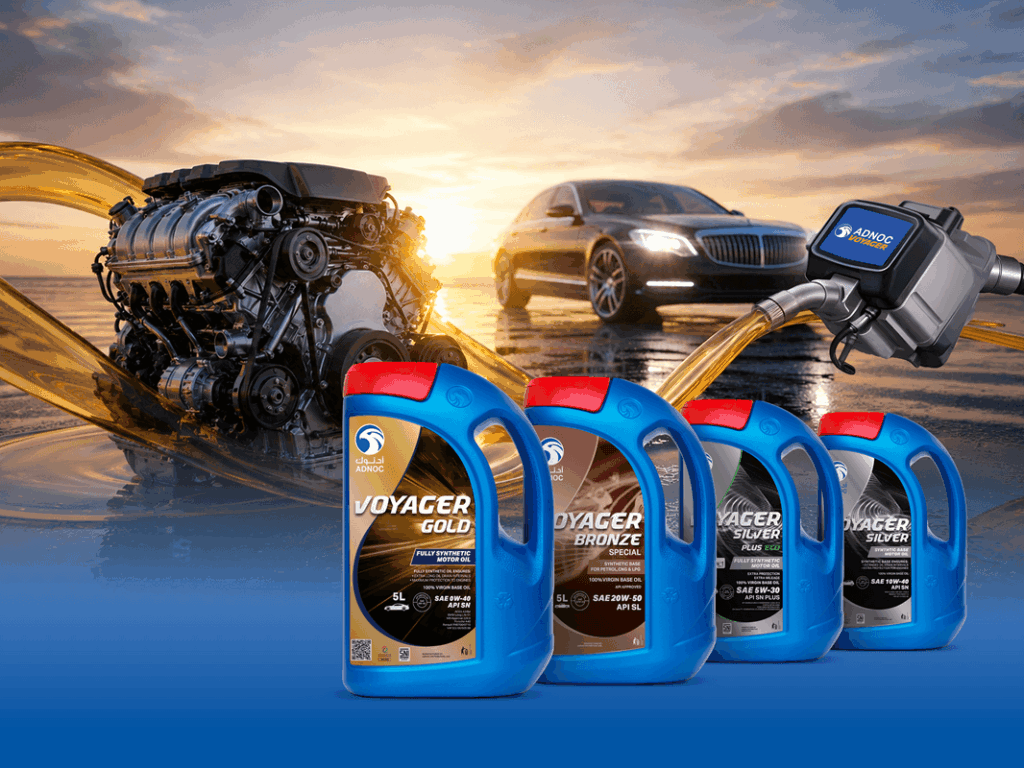
You may notice your car engine sounding rougher than usual or running hotter during a normal drive. Sometimes, issues like these don’t begin with a major mechanical fault, they begin with engine oil that is low, old, or no longer protecting the engine properly. Engine oil is the lifeblood of your engine. And without proper engine oil maintenance, your engine becomes more vulnerable to costly damage over time.
In this article, we’ll break down how engine oil protects your car, what happens when it doesn’t do its job, and when you should change it to keep your vehicle in top condition.
How Engine Oil Protects Your Car
Lubrication That Reduces Friction
Engine oil’s primary role is to lubricate the moving parts inside your engine. As the engine runs, components move at high speeds and create constant friction. Oil forms a protective layer between these parts, preventing them from grinding directly against each other. This reduces wear and tear, allowing the engine to run smoothly and efficiently over time.
Cooling the Engine from Within
While your car has a cooling system, engine oil also plays a key role in temperature control. It absorbs heat generated by engine components and helps distribute it evenly throughout the system. This additional cooling support prevents overheating, especially during long drives, heavy traffic, or hot weather conditions.
Cleaning and Removing Dirt Build-Up
As engine oil circulates, it collects dirt, carbon deposits, and tiny metal particles that naturally form during engine operation. These contaminants are carried to the oil filter, helping keep the engine clean. Without this cleaning function, harmful deposits would build up and affect engine performance over time.
Protecting Against Rust and Corrosion
Engine oil also creates a protective barrier that shields internal engine parts from moisture and oxygen. This helps prevent rust and corrosion, which can weaken engine components and reduce their lifespan. It ensures that your engine stays in good condition even under changing weather and driving conditions.
What Happens When Engine Oil Doesn’t Do Its Job
Increased Engine Wear and Damage
When engine oil becomes old, low, or contaminated with dirt and debris, it can no longer lubricate the engine effectively. This means the moving parts inside the engine begin to create more friction as they operate. Over time, this added friction can damage engine parts.
As the oil continues to lose its effectiveness, the engine is forced to work harder than it should, placing unnecessary strain on the entire system. If left unchecked, this can lead to serious long-term damage and significantly shorten the lifespan of the engine. Regular oil checks and timely oil changes are essential to keeping your engine protected and performing smoothly
Overheating and Poor Performance
Without proper oil circulation, the engine cannot regulate heat effectively. And this can cause complete engine failure. You may also begin to notice changes in how your car performs. The engine may feel weaker during acceleration or respond less smoothly while driving. In some cases, the vehicle may consume more fuel or struggle during long drives and heavy traffic. These warning signs should never be ignored, as they often indicate that the engine is no longer receiving the protection it needs from the oil.
Engine oil should be checked and changed regularly to ensure your car remains protected and performs at its best. As a general guideline, most vehicles require an oil change every 6 to 12 months, depending on driving conditions and manufacturer recommendations.
If you’re unsure about the condition of your engine oil or when it was last changed, it’s best to have it inspected by professionals. At @thewheel, we provide expert engine oil checks and oil change services across all our locations. Reach out to us today, let’s get your engine healthy and ready for every journey.