
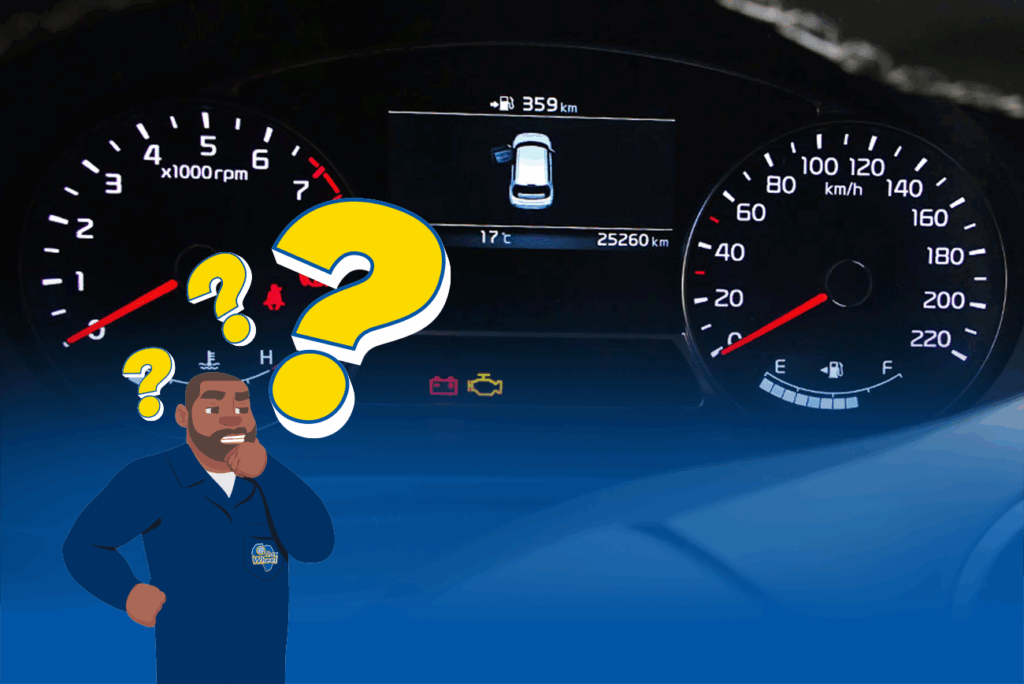
Your car’s check-engine light is one of the most common dashboard warnings drivers experience. It usually appears when you least expect it; during a drive to work, stuck in traffic, or even right after starting the engine. While it might be tempting to ignore it, the check-engine light is your car’s way of telling you something needs attention.
Modern vehicles rely on sensors that constantly monitor how the engine is running. When something falls out of range, the system triggers the warning light to prevent further damage.
Here are the most common reasons your check-engine light keeps coming on:
The Oxygen Sensor Isn’t Working Properly
One of the leading causes of a glowing check-engine light is a faulty oxygen (O₂) sensor. This sensor measures how much unburnt oxygen is coming out of your exhaust, helping the engine maintain the right air–fuel mixture.
When the sensor starts to fail, your fuel consumption increases. The engine will then run less efficiently causing emissions to go up. If this is ignored for too long, it can eventually damage the catalytic converter, which is a much more costly repair.
You may notice reduced fuel economy or a slightly rough idle when this happens.
The Fuel Cap Is Loose or Damaged
It sounds simple, but a loose or broken fuel cap is one of the most overlooked causes of the check-engine light. Your fuel system is sealed under pressure, and when the cap isn’t tight enough, fuel vapours escape and trigger the warning.
You can try tightening the cap until it clicks. If the light stays on or keeps coming back, the cap might have a worn-out seal or a small crack, which means it needs replacing.
The Catalytic Converter Needs Attention
Your catalytic converter plays a major role in reducing harmful emissions. When it starts to fail, your engine may struggle to accelerate. This may lead to an increase in fuel consumption, or you might notice a faint sulphuric (rotten-egg) smell.
Often, catalytic converter issues develop because earlier warnings (like bad oxygen sensors or misfires) were ignored. That’s why paying attention to the first signs is important.
Spark Plugs or Coils Are Wearing Out
Spark plugs and ignition coils are responsible for igniting the air–fuel mixture in your engine. When they’re worn out or malfunctioning, the engine misfires, and this causes your check-engine light to turn on.
You might notice your car accelerating unevenly or jerking when you press the pedal, especially during takeoff. Starting the engine may also feel more difficult than usual, requiring longer cranking. In some cases, the car may shake or vibrate while idling, which is a clear sign the ignition system isn’t firing smoothly.
Replacing spark plugs regularly (30,000 to 50,000 km)keeps your engine running smoothly and prevents more expensive problems later.
A steady check-engine light means something is not working as it should. A flashing light, however, is a sign of a more serious issue that needs immediate attention.
The safest thing you can do is have the system scanned and diagnosed by professionals. The sooner you identify the problem, the easier and cheaper it is to fix.
At @thewheel, our technicians use advanced diagnostic tools to trace the exact cause, and recommend the right repair. Whether it’s a simple loose cap or a deeper engine issue, we’re here to keep your car running safely and efficiently.
Contact us today for a check-engine diagnostic or any other vehicle maintenance needs. We are always at your service!